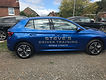
Automatic or Manual Lessons: What’s Best?
Learning to drive is an exciting step. But one question often pops up early on: should you learn in an automatic or manual car? Both have their fans and their challenges. I’m here to break it down simply and help you decide which might suit you best.
Understanding Automatic or Manual Lessons
When you start driving lessons, the choice between automatic or manual cars is important. Automatic cars change gears for you. You just press the accelerator and brake. Manual cars need you to change gears yourself using a clutch pedal and gear stick.
Automatic lessons tend to be easier at first. You don’t have to worry about clutch control or gear changes. This can help you focus on steering, road awareness, and traffic rules. Manual lessons, on the other hand, teach you more about car control and can be more engaging for some learners.
Here’s a quick look at the main differences:
Automatic cars: No clutch pedal, simpler controls, easier to learn.
Manual cars: Clutch pedal, gear stick, more control over the car.

If you’re thinking about taking lessons, it’s worth considering what kind of car you want to drive after passing your test. In the UK, many cars are manual, so learning manual can give you more options. But automatic cars are becoming more popular, especially in towns and cities.
Pros and Cons of Automatic and Manual Lessons
Let’s look at the advantages and disadvantages of both types of lessons. This will help you weigh up what fits your needs.
Automatic Lessons
Pros:
Easier to learn, especially for nervous beginners.
Less to focus on at once - no clutch or gear changes.
Great for busy city driving with lots of stop-start traffic.
Often quicker to pass your test.
Cons:
Usually more expensive to rent or buy automatic cars.
Less control over the car in certain situations.
Limited choice of cars you can drive after passing (if you only learn automatic).
Manual Lessons
Pros:
More control over the car, especially on hills or tricky roads.
Can drive both manual and automatic cars after passing.
Often cheaper to rent or buy manual cars.
Some find it more rewarding and fun to drive.
Cons:
Takes longer to learn clutch control and gear changes.
Can be stressful at first, especially in traffic.
More things to focus on during lessons.

Is Automatic or Manual Better for Beginner Drivers?
If you’re new to driving, you might wonder which is better to start with. The answer depends on your goals and comfort level.
Automatic lessons are often recommended for those who want a smoother, less stressful start. You can focus on learning the road rules, steering, and observation without juggling gears. This can build confidence quickly.
Manual lessons are great if you want full control and flexibility. Learning to use the clutch and gears can be tricky but rewarding. It also means you can drive any car after passing, which is a big plus.
If you’re unsure, you could try a few lessons in both types. Many driving schools offer this option. It’s a good way to see what feels right for you.
Practical Tips for Choosing Your Driving Lessons
Here are some tips to help you decide and get the most from your lessons:
Think about your future car - Will you want to drive a manual or automatic after passing?
Consider your learning style - Do you prefer a simple start or are you ready for a challenge?
Check lesson availability - Some areas have more automatic or manual instructors.
Ask about test options - Automatic test passes only allow you to drive automatics.
Budget wisely - Manual lessons might be cheaper but could take longer.
Practice regularly - Whichever you choose, practice is key to confidence.
If you want to explore more about the differences, you can check out this helpful guide on automatic vs manual driving lessons.
Getting Ready for Your Driving Test
Once you’ve picked automatic or manual lessons, it’s time to prepare for your test. Here are some pointers:
Book lessons early - Give yourself plenty of time to learn.
Practice in different conditions - Try driving in rain, at night, and on busy roads.
Learn the test routes - Familiarity helps reduce nerves.
Focus on safety - Always check mirrors, signals, and speed.
Stay calm - Mistakes happen, keep your cool and learn from them.
Remember, passing your test is just the start. Safe driving is a skill for life.

Finding the Right Driving School for You
Choosing the right driving school can make a big difference. Look for:
Friendly, patient instructors.
Flexible lesson times.
Good pass rates.
Clear pricing with no hidden fees.
Support for both automatic and manual lessons.
Steve’s Driver Training in East Sussex is a great example. They focus on helping learners pass confidently and promote safe driving habits for life. Whether you want automatic or manual lessons, they tailor the experience to your needs.
Choosing between automatic or manual lessons is a personal decision. Both have their benefits and challenges. The key is to pick what feels right for you and stick with it. With the right support and practice, you’ll be on the road in no time. Safe driving!


Comments